
COMMUNITY PEACE AND PEACE AMBASSADOR
Introduction
Community peace is a vital aspect of building harmonious and thriving societies. Peace Ambassadors play a crucial role in promoting peace, understanding, and conflict resolution within communities. This article explores the concept of community peace, the role of Peace Ambassadors, and their impact on fostering a more peaceful and cohesive society.

What is Community
Peace?
Community peace refers to the state of harmony, understanding, and mutual respect among individuals and groups within a community. It involves:
Conflict Resolution:
Resolving disputes and disagreements in a constructive and peaceful manner.
Social Cohesion:
Building strong relationships and a sense of community among diverse individuals and groups.
Trust and Understanding:
Fostering trust, empathy, and understanding among community members.

Role of Peace
Ambassadors
Peace Ambassadors are people who work to promote peace, understanding, and conflict resolution within communities. Their roles include:
Mediation and Conflict Resolution:
Helping to resolve disputes and conflicts in a peaceful and constructive manner.
Community Engagement:
Building relationships and engaging with community members to promote peace and understanding.
Education and Awareness:
Educating community members about the importance of peace, tolerance, and understanding.
Advocacy:
Advocating for policies and initiatives that promote peace and social cohesion.
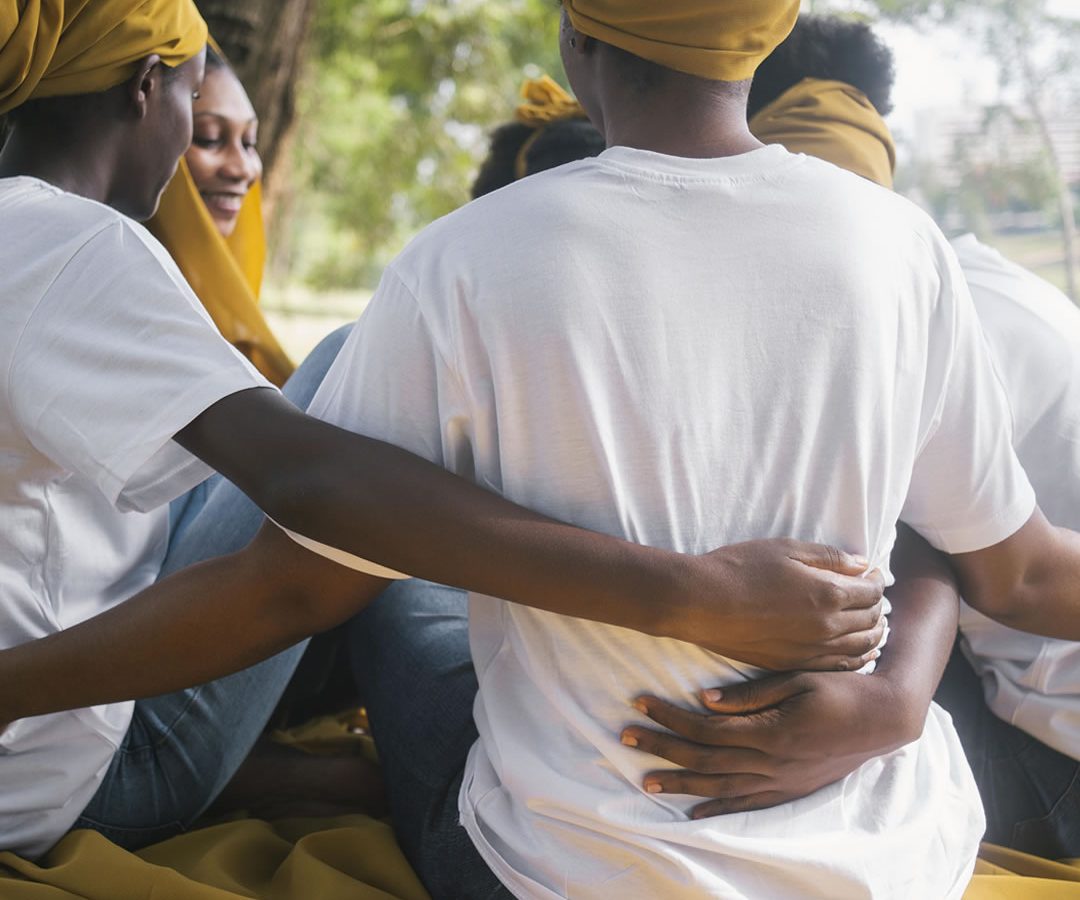
Impact of Peace
Ambassadors
Peace Ambassadors can have a significant impact on fostering community peace, including:
Reducing Conflict:
Helping to resolve disputes and conflicts in a peaceful manner, instead of engaging legal tussle.
Building Trust:
Fostering trust and understanding among community members.
Promoting Social Cohesion:
Building strong relationships and a sense of community among diverse individuals and groups.
Empowering Communities:
Empowering community members to take an active role in promoting peace and conflict resolution.

Sects of Peace
Ambassadors
Community Leaders:
Local leaders who work to promote peace and understanding within their communities.
Youth Peace builders:
Young people who are trained to promote peace and conflict resolution among their peers.
Faith-Based Leaders:
Religious leaders who work to promote peace and understanding among different faith communities.
Community Volunteers:
Volunteers who work to promote peace and social cohesion through various community initiatives.
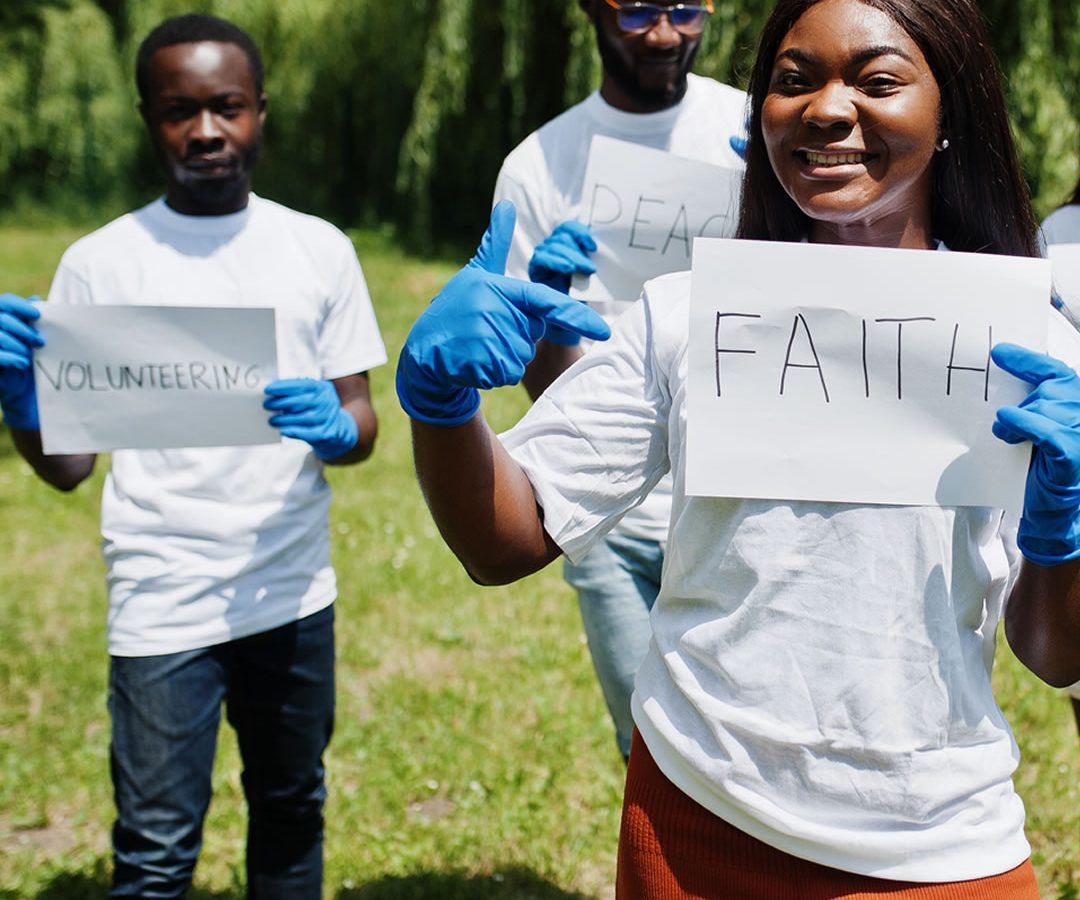
Ambassadorial
Challenges
Peace Ambassadors often face challenges, including:
Resistance to Change:
Some community members may resist efforts to promote peace and conflict resolution.
Limited Resources:
Peace Ambassadors may face limited resources and funding to support their initiatives.
Cultural and Linguistic Barriers:
Peace Ambassadors may need to navigate cultural and linguistic differences within their communities.
Ambassadorial
opportunities
Build Stronger Communities:
Fostering peace and understanding can lead to stronger, more resilient communities.
Promote Social Change:
Peace Ambassadors can contribute to broader social change by promoting values of peace, tolerance, and understanding.
Empower Marginalized Groups:
Peace Ambassadors can empower marginalized groups to take an active role in promoting peace and conflict resolution.
Conclusion
Community peace is a vital aspect of building harmonious and thriving societies. Peace Ambassadors play a crucial role in promoting peace, understanding, and conflict resolution within communities. By understanding the role of Peace Ambassadors and the impact they can have, we can work towards building more peaceful and cohesive communities.
Join us
DO YOH HAVE A GOOD REPUTATION AND
INTEGRITY, AND WILL LIKE TO JOIN
US IN THE VOLUNTARY
SERVICE, KINDLY CONTACT US